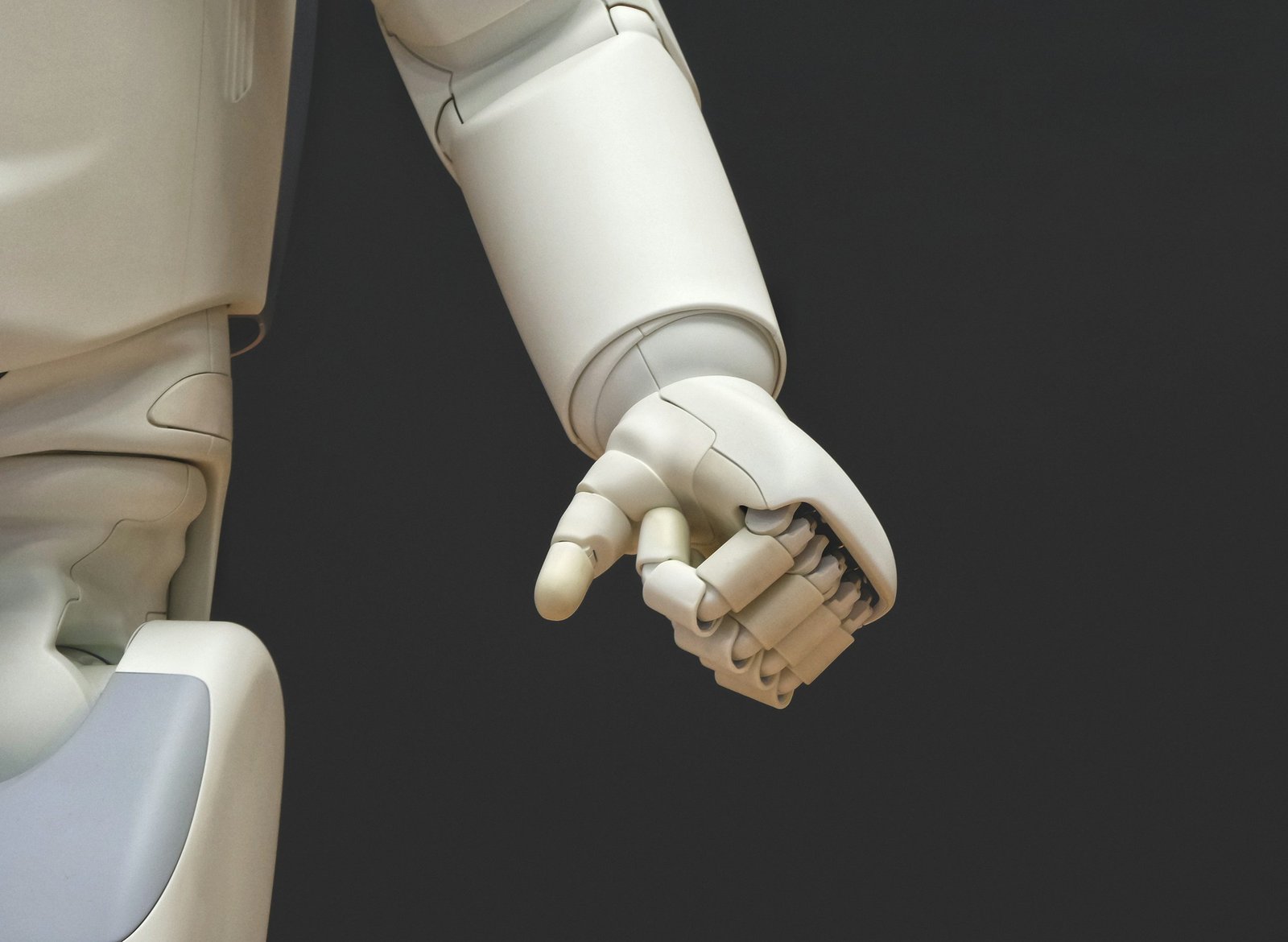
“The creation of a legal framework that can adapt to the changing nature of AI technology is necessary for the evolution of our world.”
Written by Eugénie Michalopoulos, advising founders and growing businesses on commercial, data protection and technology law across Australia, the UK and Europe.
Author
Scope
Australia, UK and Europe
In this insight
Practice area
AI, Technology and Digital Media
Intellectual Property
Intellectual property (IP) refers to the legal rights that protect creative works and inventions. In the context of AI, several potential issues related to IP are emerging. One prominent issue is the question of who owns the rights to an AI-generated work. For example, if an AI system creates a piece of music or a work of art, who holds the copyright? Currently, there is no clear answer to this question, as different countries have different laws regarding the rights of AI-generated works. The U.S. Copyright Office, for instance, recently refused to grant copyright to AI-generated works, stating that authorship must involve human creativity.
Another issue related to intellectual property is how to protect AI-related inventions. Patents are a common way to protect inventions, but it is unclear whether traditional patent laws will suffice for AI-related innovations. Some experts suggest that a new type of legal protection, such as a “software patent,” may be necessary. According to the World Intellectual Property Organization (WIPO), AI is already challenging existing IP systems, necessitating discussions on new frameworks.
Furthermore, AI can also facilitate the copying or replication of protected works, such as digital images or text, leading to issues of plagiarism and copyright infringement. The EU AI Act aims to address such concerns by imposing strict regulations on AI applications, ensuring transparency and fairness in their operations.
These issues highlight the need for clear guidelines and regulations surrounding AI and intellectual property to ensure the fair and ethical use of these technologies.
Data Protection
Data protection refers to the laws and regulations that govern how personal data is collected, used, and shared. With the increasing use of AI, many potential issues related to data protection arise. One concern is how to ensure that personal data is collected and used in a fair and transparent manner. Another is how to protect personal data from misuse or hacking. The European Union’s General Data Protection Regulation (GDPR) has set a high standard for data protection, and many other countries have adopted similar legislation.
A significant concern related to data protection and AI is ensuring that AI systems are not biased. Bias in AI can occur when the data used to train a system is not representative of the population it serves, resulting in unfair or inaccurate decisions. For instance, a biased AI system used in the criminal justice system could lead to racial discrimination. The National Institute of Standards and Technology (NIST) has been working on developing standards to minimise AI bias and promote fairness in AI systems.
As AI systems advance, they can process and analyse vast amounts of personal data, raising concerns about how this data is collected, used, and shared. Governments, businesses, and organisations must ensure compliance with data protection regulations and laws. The EU AI Act is also addressing these concerns by enforcing strict rules on data governance and transparency for AI systems.
Looking Ahead
AI has the potential to bring significant benefits to our society, but it is essential to consider the legal issues that may arise. Intellectual property and data protection are two critical areas of concern. It is essential to protect AI-generated works and inventions while ensuring that personal data is collected and used fairly and transparently. One of the most pressing legal issues related to AI is how to regulate its development and use. Currently, there is no clear consensus on how to do this. Some experts have suggested a new regulatory framework for AI. The creation of a legal framework that can adapt to the changing nature of AI technology is necessary for the evolution of our world. Governments, businesses, and organisations must work together to ensure that AI is developed and used responsibly and ethically.
Take the next step towards responsible AI development. Contact us to learn more about how we can help you safeguard your intellectual property, ensure data protection, and stay ahead of regulatory changes.
Written by Eugénie Michalopoulos, Founder
Share: LinkedIn